
How to choose upholstery fabric
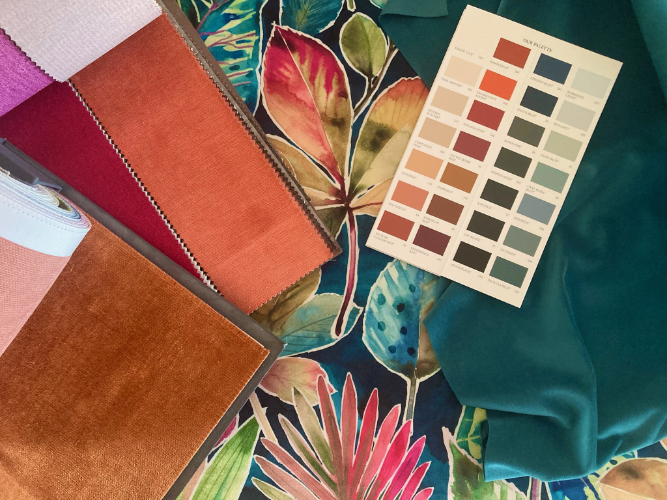
Spending a few hours browsing through fabric books is my idea of heaven! The variety of colour, pattern and texture never fails to spark ideas and give me inspiration for future projects. But the sheer range and assortment of fabrics and manufacturers can be overwhelming if you don’t know what you’re looking for.
I’ve put together my top tips to take the fear and overwhelm out of choosing the right fabric for your home upcycling projects. Read on to learn, gain confidence in what to look for, and above all, start enjoying the process.
Upholstery services in Cheshire
I offer a complete, door-to-door upholstery and reupholstery service for armchairs, dining chairs, seat cushions, stools, pouffes and other bespoke furniture items. See upholstery services for more information.
8 tips to help you select upholstery fabric
1. Know how much fabric you need
Measure up before you start looking (or ask your upholsterer to do this for you) and take the measurements with you when you go shopping. If you intend to upholster the item yourself, add some extra fabric allowance for mistakes!
2. Set a budget
Mrs Odd Thing loves a tactile fabric and has a knack of choosing the most expensive ones without looking at the price! You don’t want to fall in love with a fabric and then discover you can’t afford it, so go with a maximum price per metre in mind and based on the fabric measurements you took earlier. Ask to only be shown fabric books that are within your budget.
Most upholsterers will quote for upholstery and reupholstery jobs excluding the cost of fabric, so be sure to check with your upholsterer whether they do the same. Pricing up the actual physical work is tricky as I never know what’s lurking beneath the sometimes layers of old fabric and foam. When you take these off, you might find there’s a need for new springs, strapping, padding or foam, which may come at extra cost.
3. Consider the different types and uses of fabric
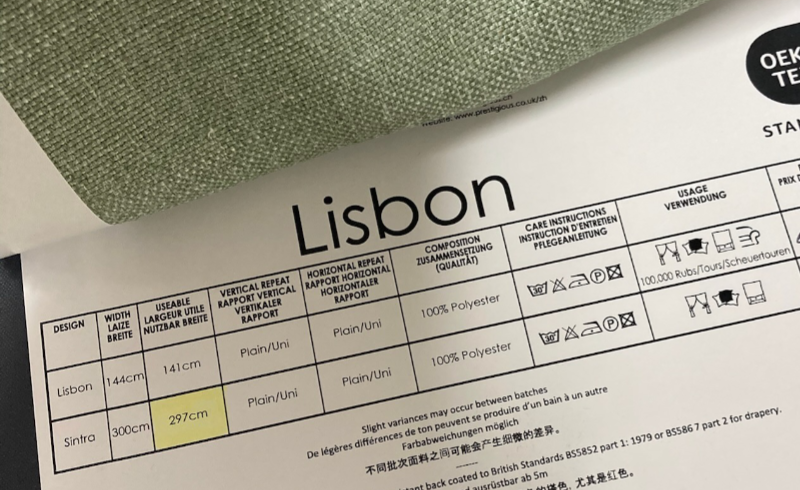
Not all fabrics are suitable for upholstery. It’s all too easy to get caught up in the excitement and end up with a curtain or outdoor-use fabric by mistake. When shopping online, filter your search for fabrics that are marked as suitable for furniture upholstery. If you’re browsing physical fabric books in a shop, turn to the reference table at the back, which explains the properties of each fabric sample and whether it can be used for upholstery.
Next you have to consider the different types of fabric and what which would be practical and look good in your home. The most popular amongst my clients are velvet, linen, bouclé, chenille and wool.
4. Fabric durability
The Martindale rub test measures fabric durability. Every fabric has a score, which you can find at the back of the fabric book or in the fabric specification online. The higher the Martindale score, the more durable the fabric. If you’re looking for fabrics for dining chair seat pads, they tend to get a bit more hammer than the occasional chair in the corner of the lounge, so go for a fabric with a higher Martindale score - around 20,000+ is a good rule of thumb.
5. Fabric weight
Heavier fabrics are generally more durable than lighter ones. If you know your upholstered item will be sat on or used several times a day, a heavyweight fabric might be the best choice for longevity.
6. Fire rating
You might be surprised to learn that not every fabric suitable for use in the home comes with fire-retardant properties. If fire safety is important to you, you can request for certain fabrics to be coated with a flame retardant coating or backing when ordering. Speak to your supplier for more information.
7. Children and washing
If young children will be using your reupholstered furniture, select a fabric you can wash at home, so you don’t have to spend a fortune on dry cleaning bills. You might also look for a fabric with stain resistant qualities. Check online or at the back of the fabric book for this information. Consider if you need removable covers or want to add zips, poppers or velcro to make it more practical to wash cushion and seat pad covers at home.
8. Pets
I’ve not yet come across an upholstery fabric that is pet resistant, however I have resurrected armchairs that have been subjected to years of cat scratching and dog lounging! A more durable, heavyweight fabric might help in this scenario, but there are no guarantees. In an ideal world, we would train our pets not to do it, but in the battle of pet versus pouffe, we all know who usually wins!
Looking for help reupholstering furniture?
I hope these tips have helped to demystify the world of upholstery fabric shopping and you feel less overwhelmed by the range and choice of fabrics. Good luck with your project!
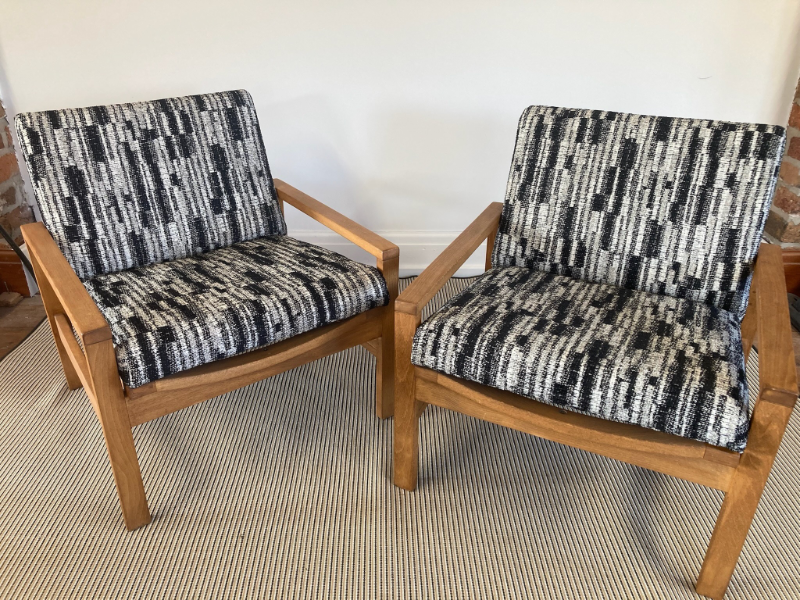
And, if your reupholstery project is a bit more complex and demanding than simply replacing fabric, I can help with all aspects of furniture repair and upholstery, from securing joints and springs, to complete restrapping and rebuilding or replacing warn out padding. Contact me here to enquire.
Examples of client upholstery projects include:
Window seat cushions
Scatter cushions
Rocking chair
Bench seat
Dining chairs and seat pads
Armchairs and lounger chairs
Chaise longue
Headboard
Cocktail chair
Footstool
Please follow me on Facebook or Instagram to see examples of my work.